Air Conditioning & Heat Pump – Automatic Defrost Cycle
Air-conditioning systems (especially heat pumps and modern HVAC units) are designed to operate efficiently across a varied range of temperatures and many environmental conditions. A key feature that allows them to operate reliably (particularly in cold or humid climates) is the automatic defrost function.
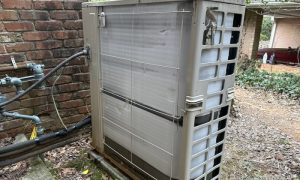
This feature is not a malfunction or an inefficiency, it is however a deliberate and essential process that protects the system, helps to maintain optimal performance whilst ensuring the systems long-term durability. To fully understand why these AC systems go into automatic defrost, it’s necessary to understand how these systems work, the conditions that can lead to formation of frost and the consequences of operating without defrost control.
How AC and Heat Pump Systems Work
At the core of an air-conditioning system is the refrigeration cycle, which involves circulating a refrigerant through components such as the compressor, condenser, expansion device, and evaporator. In cooling mode, the evaporator absorbs heat from indoor air, while the condenser releases that heat outdoors. In heating mode common in heat pump systems this process is reversed: the outdoor coil acts as the evaporator, extracting heat from outside air and transferring it indoors.

Even when outdoor temperatures feel cold, there is still usable thermal energy in the air. Heat pumps are designed to capture this energy. However, extracting heat from cold, moist air introduces a key challenge: frost formation on the outdoor coil.
Why Frost Forms on AC Systems
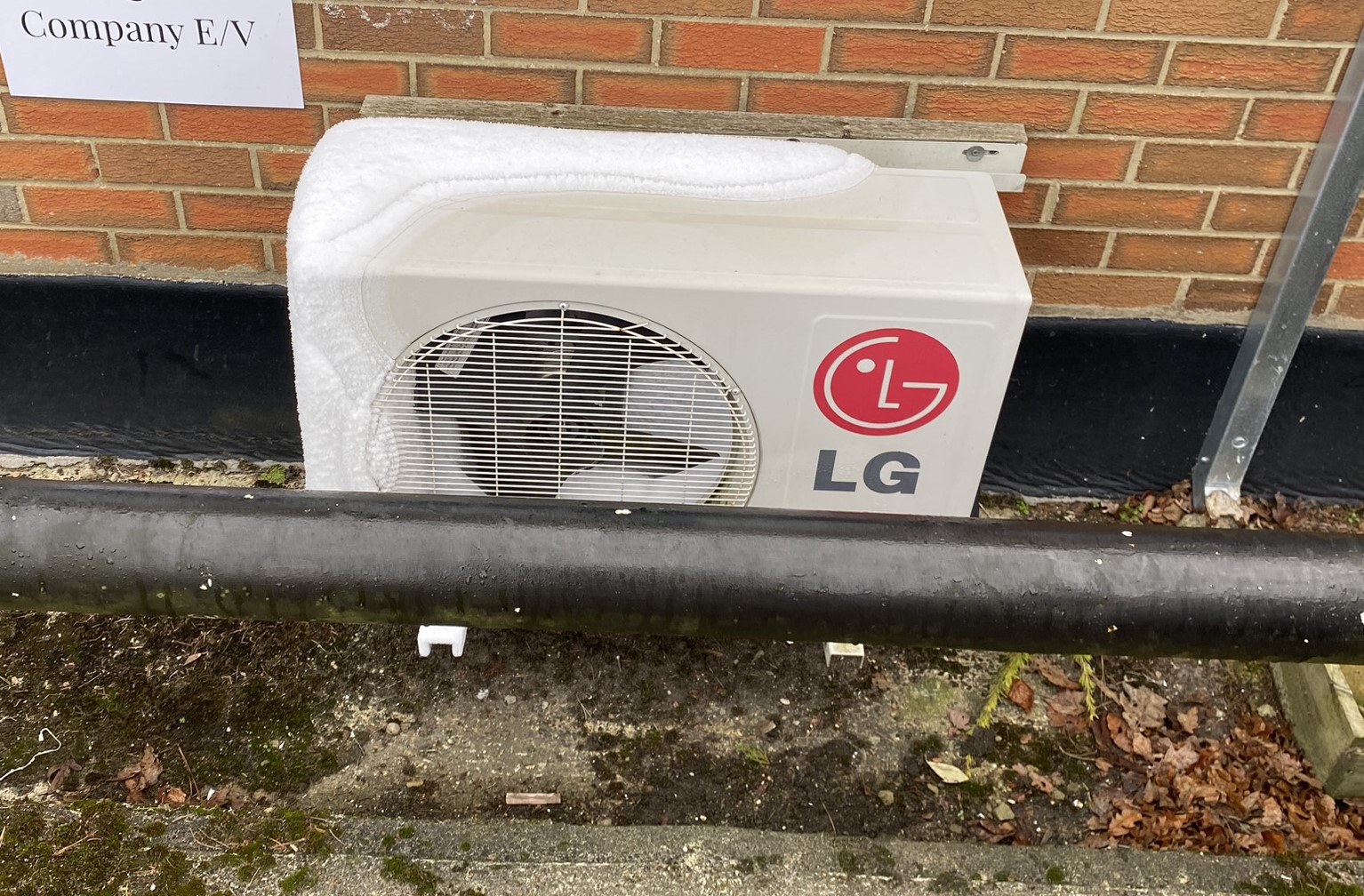
Frost forms when the surface temperature of the outdoor coil drops below the freezing point of water (0°C or 32°F) while moisture is present in the air. As the heat pump pulls heat from the outdoor air, the coil becomes very cold. Moisture in the air condenses on the coil’s surface and freezes, gradually building up a layer of frost or ice.
Several conditions make frost formation more likely:
- Low outdoor temperatures, especially between about −5°C and 10°C (23°F to 50°F)
- High humidity or moisture, such as fog, rain, or snow
- Extended heating operation, where the system continuously extracts heat from outdoor air
- Restricted airflow, caused by dirt, debris, or damaged fans

Frost build up is not abnormal. In fact when the system is used during heating mode, most heat pump systems will experience some sort of frost buildup. Problems only arise when frost accumulates beyond a thin layer.
Why Can Frost Is a Serious Problem
Excessive frost or ice build-up on the outdoor coil can significantly interfere with the systems general operation, the coil is designed to exchange heat efficiently with the surrounding air.
When frost or ice completely covers the coil:
- Heat Transfer is Reduced – Ice acts as an insulator, preventing heat from the outdoor air from reaching the refrigerant. As a result, the system must work harder to extract the same amount of heat.
- System Efficiency Drops – The compressor runs longer and consumes more electricity, leading to higher energy costs and reduced efficiency.
- Airflow Becomes Restricted – Thick ice buildup blocks airflow through the coil, worsening performance and potentially causing pressure imbalances.
- Mechanical Damage Can Occur – Ice can bend fins, strain the fan motor, damage the compressor, or even crack refrigerant lines in extreme cases.
- Heating Capacity Decreases – Indoor comfort suffers as the system struggles to maintain the desired temperature.
Without the inbuilt mechanism to automatically remove any frost or ice, a heat pump or AC system operating in cold conditions would quickly become inefficient or fail entirely.
The Purpose of Automatic Defrost Function
The automatic defrost function exists to prevent any of these problems. Its primary purpose is to remove any frost or ice from the outdoor coil before it reaches a level that will impair the system performance or cause any serious damage.
Instead of waiting for a breakdown, the system proactively monitors conditions and initiates defrost cycles when needed. This ensures that the unit can continue operating safely and efficiently in cold or humid environments.
How Automatic Defrost Works
While designs will always vary by the different manufacturers of AC systems, all automatic defrost systems will follow a similar principle. The system will use sensors and a degree of control logic to determine when any frost or ice buildup is likely or already occurring. These may include:
- Outdoor temperature sensors
- Coil temperature sensors
- Pressure sensors
- Timers combined with temperature thresholds
When the control board determines that defrost is necessary, the system temporarily switches modes.
In many heat pumps, this means:
- Reversing the refrigeration cycle.
- The system briefly operates in cooling mode, sending hot refrigerant to the outdoor coil.
- The warm refrigerant raises the coil temperature, melting ice and allowing water to drain away.
When an auto defrost cycle happens, this will suspend indoor heating temporarily. During the defrost, the indoor will stop to prevent any cold air from blowing inside.
Returning to Normal Operation
Once all sensors detect that the coil is clear of any frost or ice or a set time has passed, the system will then switch back to heating mode. This entire process is automatic and typically lasts only a few minutes.
Why Defrost Is Automatic Rather Than Manual
Automatic defrost is essential because frost formation depends on constantly changing environmental conditions. Outdoor temperature, humidity, wind, and system runtime all influence how quickly ice builds up. Expecting users to manually control defrost would be impractical and unreliable.
The automation of this ensures:
- Timely response before frost becomes damaging
- Optimal efficiency, since defrost cycles only run when necessary
- System protection, regardless of user awareness
- Consistent comfort, with minimal indoor disruption
Most modern systems use a “automatic demand defrost” rather than fixed timers, meaning the unit defrosts only when conditions actually require it, thus further improving efficiency.
Common Misconceptions About Defrost Mode
We receive many breakdown calls during cold periods where a user will assume that the defrost mode indicates an issue, this is because operational lights will illuminate and the directional air fins will open but the fan will not engage.
If you were to look at the external condensing unit, you may witness steam rising from the unit as well as seeing lots of water coming out of the unit, you may also even hear gurgling or clicking sounds coming form the unit whilst carrying out the cycle.
However, if you were experiencing frequent or excessively long defrost cycles, this may indicate a possible issue such as:
- Low refrigerant levels
- Faulty sensors
- Dirty coils
- Malfunctioning control board

System Longevity and Reliability
Automatic defrost plays a pivotal role in extending the lifespan of AC and heat pump systems. By preventing frost/ice-related stress on components, defrost cycles will also reduce wear and tear on the external compressors, fans and the coils. This will inevitably reduce maintenance costs, reduce breakdowns and also improve long-term reliability.
In all cold-climate regions, an effective defrost control is one of the defining features that separates high-quality AC & heat pump systems from poorly designed ones.
Conclusion
AC systems go into automatic defrost function because frost buildup on the outdoor coil is an unavoidable consequence of extracting heat from cold, moist air.
During a cold spell, if you notice your AC system is looking like it is operational but no warm air is being dispensed from the unit, please leave it turned on as it is more than likely carrying out this essential cycle.